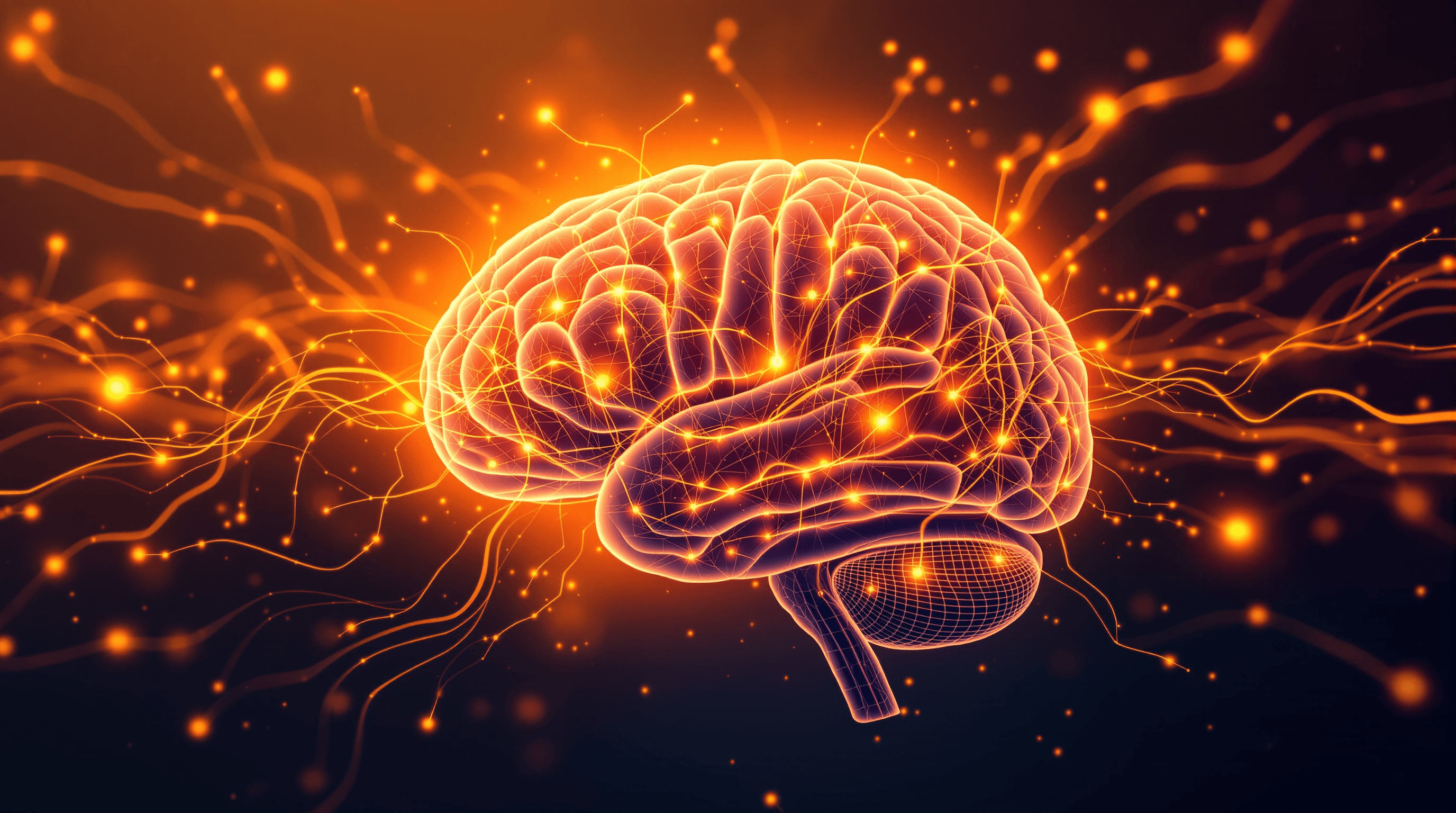
How Your Brain Processes Music
Sound enters the ear → auditory cortex activates → cerebellum fires → your body wants to move
At Angus Neil we create music that lifts you up, gets your feet moving, lifts your mood, and puts a smile on your face — but what is really happening in your brain?
Music has a great effect on our body, particularly the brain. Since the brain is responsible for our emotions and physical reactions under different stimulations, neuroscientists have tried to study how the brain works extensively. Sometimes it may seem as if you are trying to communicate with an invisible alien — or you are insane — while you dance to music only you can hear through headphones. Unless other people hear the music you are dancing to, it looks ridiculous while you move to beats only you can feel.
What the Brain Does
Neuroscientists have tried to get to the bottom of how the brain responds to music. Whether you are listening to the classics by Bach or the club bangers of the new age, you will always be overtaken by the rhythm. There are many parts of the brain involved when you listen to music. According to Dr. Travis Stork: "A multitude of things are happening and different areas of the brain are responding to the music." This is the reason why you want to tap your foot or sing along to the song you're listening to.
For the brain to make sense of the pitch, rhythm, tempo, and timbre of a song, it all starts in the primary auditory cortex. The cortex then activates the cerebellum, which plays an important role in motor control once you hear the music. This is why great dancers are able to move rhythmically without missing a step.
Music and Memory
The brain is able to analyse and convert sound waves into music even in people with different kinds of brain damage. It can also process music to store memories or uplift your spirit when you are feeling blue. This explains why you hear a certain song and it takes you straight back to a happy — or sad — day in your past.
The next time you see a person crying or dancing all over the room with their earphones in, do not be shocked. It can all be explained by how the brain processes music.
References: